
Essential Miscellaneous Tools Every Developer and Professional Needs
Discover powerful miscellaneous tools that simplify everyday tasks for developers, testers, and professionals. From generating secure passwords to creating QR codes, learn how these utilities boost productivity.
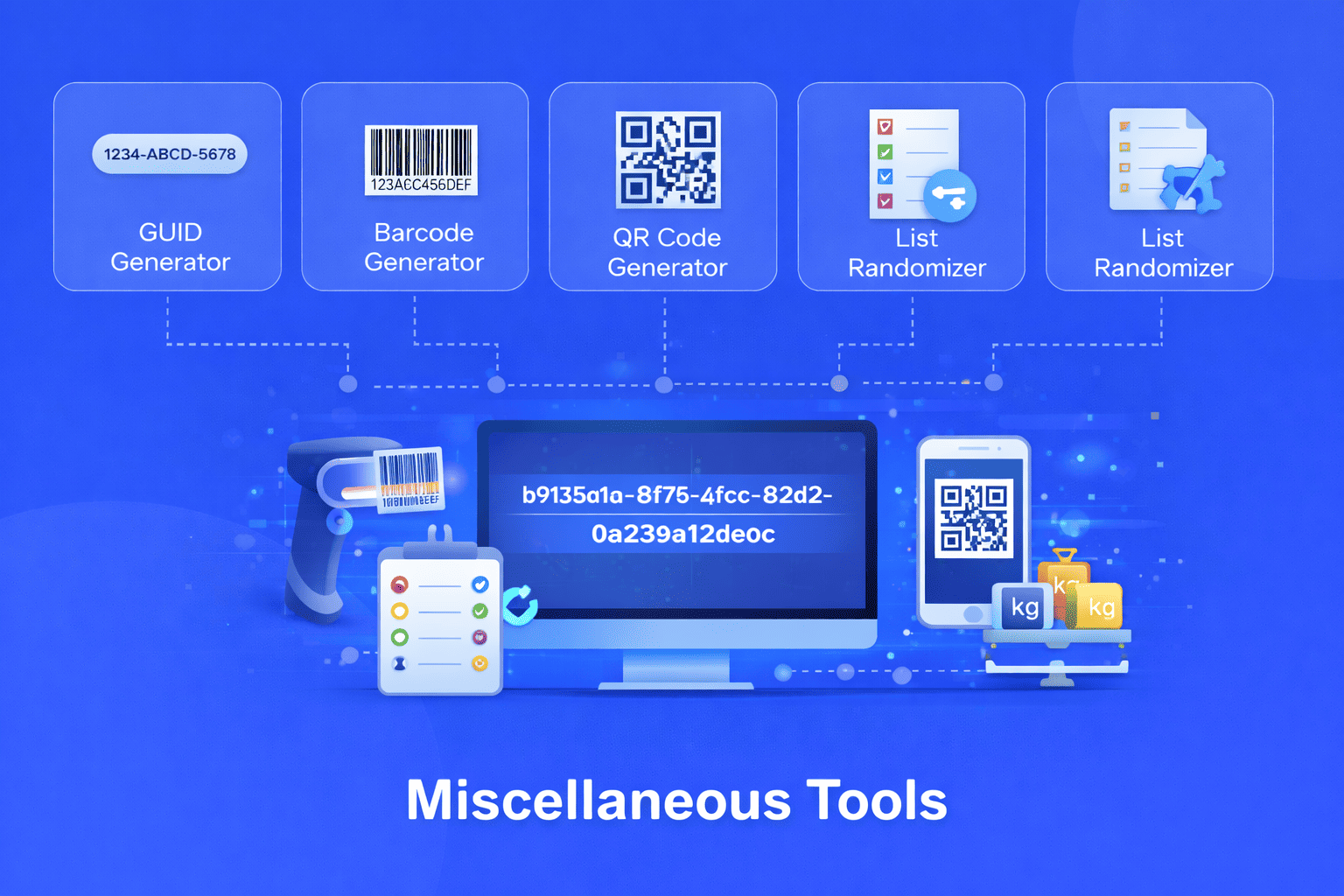
In today's fast-paced digital landscape, professionals across various industries rely on specialized utilities to complete routine tasks efficiently. Miscellaneous tools encompass a diverse range of utilities that don't fit neatly into a single category but prove invaluable for everyday operations. Whether you're a software developer, QA tester, digital marketer, or business professional, understanding these essential tools can dramatically improve your productivity and accuracy.
Understanding the Value of Miscellaneous Tools
Miscellaneous tools serve as the Swiss Army knife of the digital world. Unlike specialized software designed for singular purposes, these utilities address common needs that emerge across different workflows. They eliminate manual processes, reduce human error, and save valuable time that can be redirected toward more strategic activities.
The beauty of these tools lies in their accessibility and simplicity. Require no installation, work directly in your browser, and deliver instant results. This convenience makes them ideal for professionals who need quick solutions without the overhead of complex software installations or steep learning curves.
Password Generation: Your First Line of Defense
Security remains paramount in our interconnected world, and strong passwords form the foundation of digital protection. Password generators create complex, random passwords that resist brute-force attacks and dictionary based cracking attempts. Unlike human generated passwords, which often follow predictable patterns, algorithmically generated passwords incorporate random combinations of uppercase letters, lowercase letters, numbers, and special characters.
When creating passwords for different accounts, uniqueness matters as much as complexity. A password generator ensures each credential remains distinct, preventing the domino effect where one compromised password leads to multiple breached accounts. For development teams managing test environments or configuring new systems, password generators provide quick access to secure credentials without the cognitive burden of inventing them manually.
QR Codes: Bridging Physical and Digital Worlds
Quick Response codes have evolved from inventory tracking tools to versatile data carriers used across countless applications. QR code generators transform URLs, text, contact information, or WiFi credentials into scannable visual codes that smartphones can instantly decode. This technology proves particularly valuable for marketing campaigns, event management, product packaging, and contactless information sharing.
Businesses leverage QR codes to create seamless customer experiences. A restaurant menu, product authentication system, or event registration process becomes more efficient when users can simply scan rather than manually type information. For developers, QR codes facilitate testing mobile applications by quickly distributing download links or configuration data to testing devices.
GUID Generation: Creating Unique Identifiers
Globally Unique Identifiers play a critical role in software development, database management, and system integration. These 128-bit values ensure uniqueness across distributed systems without requiring centralized coordination. GUID generators produce identifiers that remain unique even when created independently across different servers, applications, or time zones.
Developers use GUIDs for database primary keys, session identifiers, transaction tracking, and API request identification. The astronomical number of possible GUID combinations approximately 340 undecillion makes collision probability negligible. When building microservices architectures or distributed systems, GUIDs provide reliable identification mechanisms that scale without conflict.
Barcode Creation: Organizing Physical and Digital Assets
Barcodes transform information into machine-readable visual patterns that streamline inventory management, asset tracking, and point-of-sale operations. Barcode generators support various standards including UPC, EAN, Code 128, and Code 39, each optimized for specific applications. These tools enable businesses to create custom barcodes for internal use or comply with industry standards for retail products.
Beyond retail applications, barcodes enhance document management systems, library cataloging, shipping logistics, and event ticketing. Development teams use barcodes during testing phases to simulate real-world scanning scenarios and validate data capture functionality. The simplicity of barcode technology, combined with widespread scanner availability, makes it an enduring solution for data identification.
List Randomization: Ensuring Fairness and Unpredictability
Random selection and ordering play important roles in various scenarios, from conducting fair drawings to randomizing test cases. List randomizers eliminate bias by applying algorithmic shuffling to ordered lists, ensuring each element has equal probability of appearing at any position. This functionality proves essential for researchers conducting random sampling, teachers creating fair seating arrangements, or organizers selecting contest winners.
In software testing, randomized lists help identify edge cases and sequence dependent bugs that might not surface with predictable test data. Marketing professionals use randomization for A/B testing group assignments, ensuring experimental validity through unbiased participant distribution. The tool's simplicity belies its importance in maintaining fairness and scientific rigor.
IBAN Generation: Facilitating Financial Testing
International Bank Account Numbers standardize bank account identification across national borders, facilitating seamless international transactions. For developers building financial applications or payment systems, IBAN generators create valid test data without exposing real account information. These tools follow country-specific formatting rules and include proper check digit calculations, ensuring generated IBANs pass validation algorithms.
Testing payment processing systems requires realistic data that doesn't trigger actual financial transactions. Fake IBAN generators provide this crucial middle ground, allowing thorough testing of validation logic, user interfaces, and error handling without compliance risks. This approach protects both developers and financial institutions while maintaining rigorous quality assurance standards.
Best Practices for Using Miscellaneous Tools
When incorporating these utilities into your workflow, consider security and privacy implications. For password generation, immediately transfer credentials to secure password managers rather than leaving them in browser history. When generating test data like IBANs, clearly mark testing environments to prevent accidental production use.
Document your tool usage within team workflows to ensure consistency across projects. If a specific GUID format or password policy applies to your organization, configure generators accordingly and share these standards with team members. Regular audits of generated assets, particularly those used in production environments, help maintain security and compliance.
Conclusion
Miscellaneous tools represent practical solutions to everyday challenges faced by professionals across industries. By understanding their capabilities and applications, you can streamline workflows, enhance security, and improve accuracy in routine tasks. These utilities exemplify how simple, well-designed tools can deliver outsized value when applied thoughtfully to appropriate use cases.
Share this article:
Frequently Asked Questions
Password generators use cryptographically secure random number generators that produce genuinely unpredictable sequences. The randomness comes from system entropy sources, making passwords resistant to pattern-based attacks. Always use reputable generators and transfer passwords directly to secure storage rather than saving them in unsecured locations.
Yes, QR codes support customization including color modifications and logo embedding. However, excessive customization can reduce scannability. Maintain sufficient contrast between foreground and background elements, and avoid covering more than 30% of the code with logos. Test customized codes across different devices and lighting conditions before deployment.
GUIDs offer global uniqueness without centralized coordination, unlike sequential IDs that require database synchronization. This makes GUIDs ideal for distributed systems, offline-first applications, and scenarios where multiple systems generate identifiers independently. The tradeoff is larger storage requirements compared to integer-based identifiers.
Format selection depends on your use case. UPC and EAN suit retail products requiring industry compliance. Code 128 offers high data density for internal tracking systems. QR codes work best when encoding URLs or complex data requiring error correction. Consider scanner compatibility, data capacity requirements, and industry standards when choosing formats.
Reputable IBAN generators create identifiers that pass format validation but use reserved or fictional bank codes that don't correspond to actual financial institutions. Always use clearly marked test environments and implement safeguards preventing test data from reaching production payment processors. Consult your payment provider's testing documentation for approved test account numbers.
Most browser-based miscellaneous tools operate client-side, meaning data processing occurs on your device without server transmission. This approach ensures privacy and typically allows unlimited usage. However, always review the specific tool's privacy policy, especially when handling sensitive information. For highly confidential data, consider using offline or open-source alternatives.

Related Articles
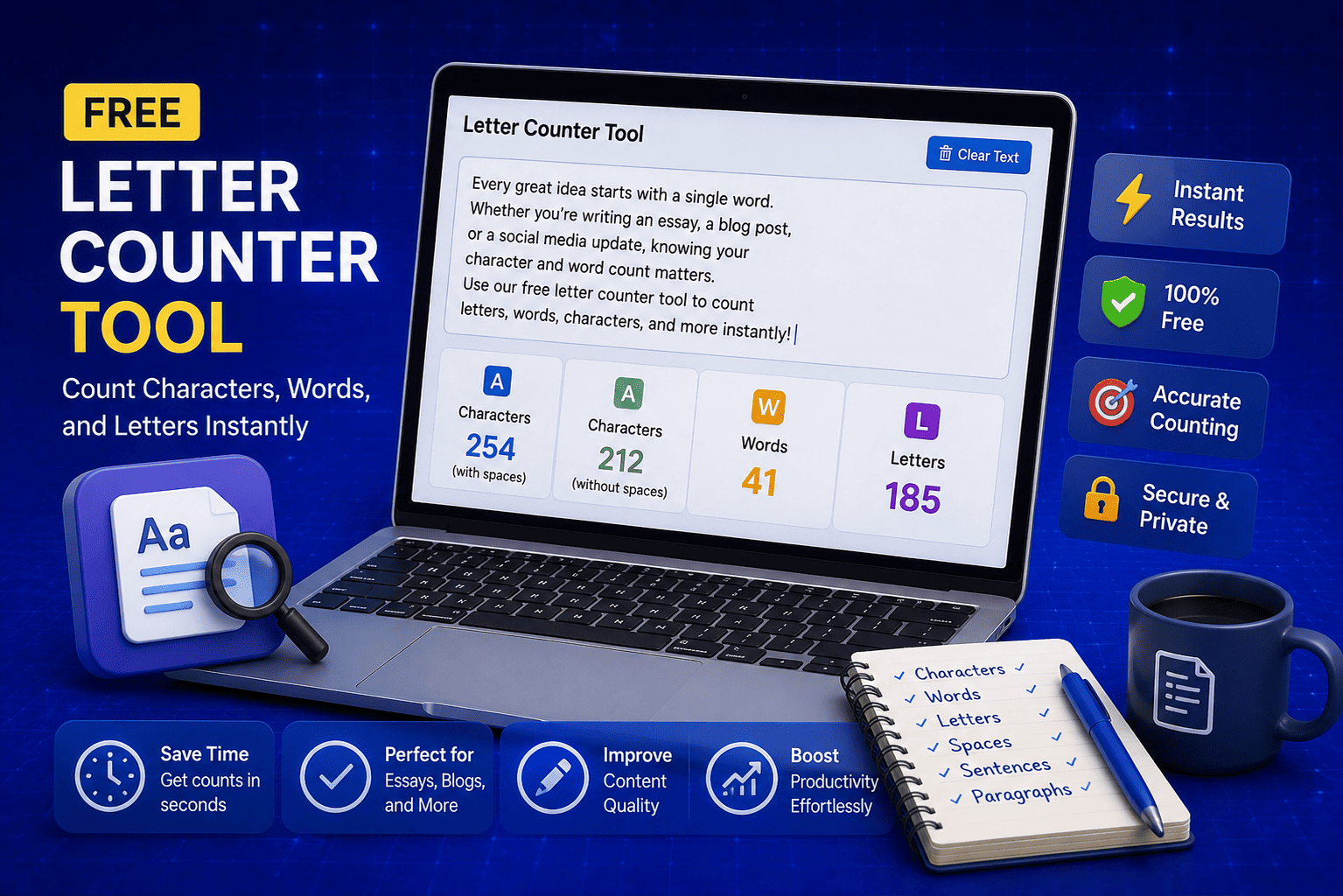
Free Letter Counter Tool: How to Count Characters, Words, and Letters Instantly
Most people do not think about character counts until they absolutely have to. Your tweet gets rejected for being too long. Your Meta description gets cut off in Google search results. Your college application essay goes over the limit and you have no idea by how much. These are the moments when a free letter counter tool becomes genuinely useful. The good news is you do not need a complicated piece of software or a paid subscription to count letters, characters, and words accurately. A free online tool does it all instantly, in real time, right in your browser. In this guide, I am going to show you exactly what a letter counter tool does, who needs it, and how to use it to get accurate text statistics in seconds.
Read Article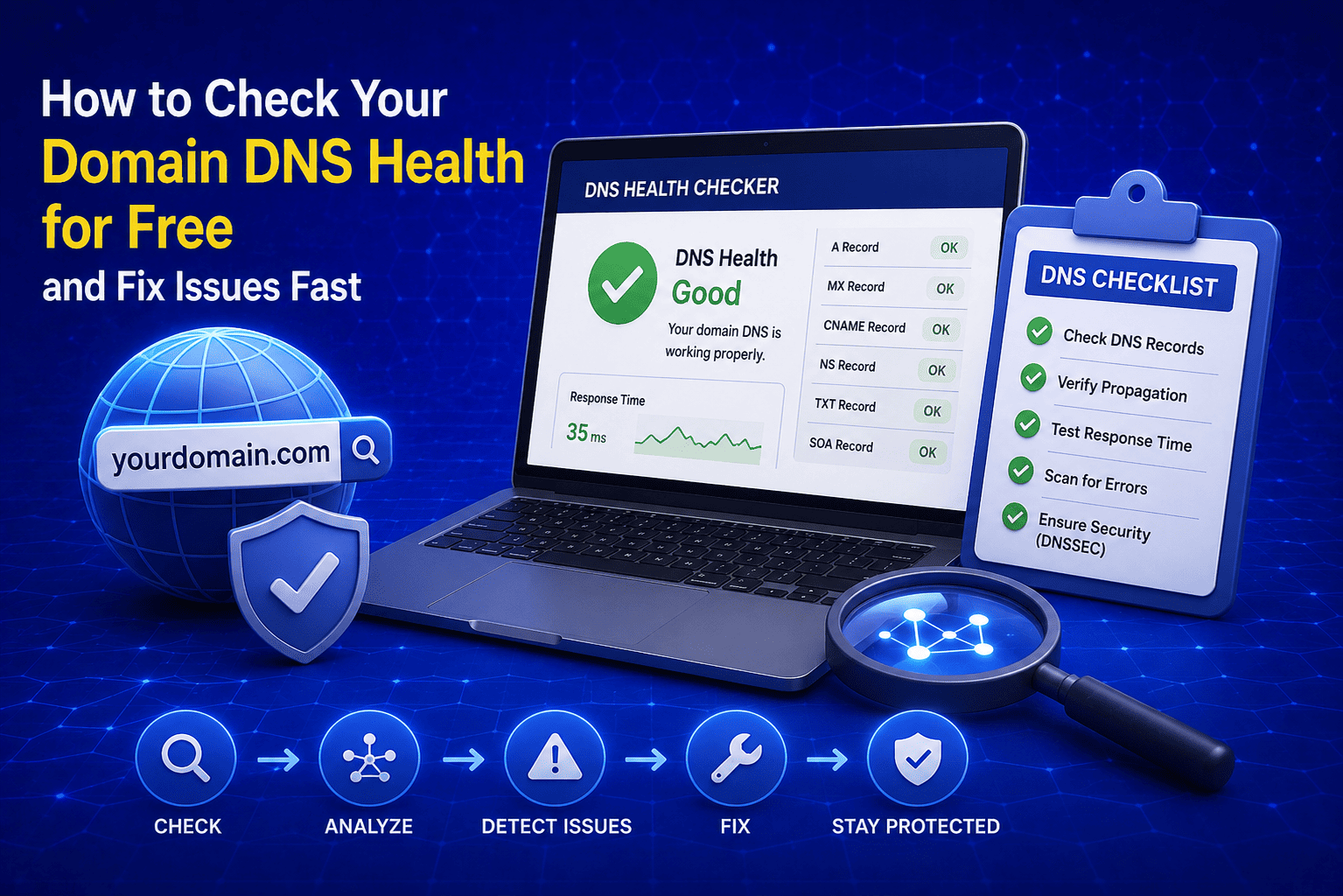
How to Check Your Domain DNS Health for Free and Fix Issues Fast
Most website owners set up their domain once and never look at the DNS settings again. Everything seems fine until emails stop delivering, the website goes down after a hosting change, or Google flags the domain for missing security records. By that point the damage is already done. A quick domain DNS health check takes less than thirty seconds and tells you exactly whether your DNS records are correctly configured or quietly causing problems you have not noticed yet. In this guide I am going to show you exactly how to run a free DNS health check on any domain, what the results mean, and what to do if something needs fixing.
Read Article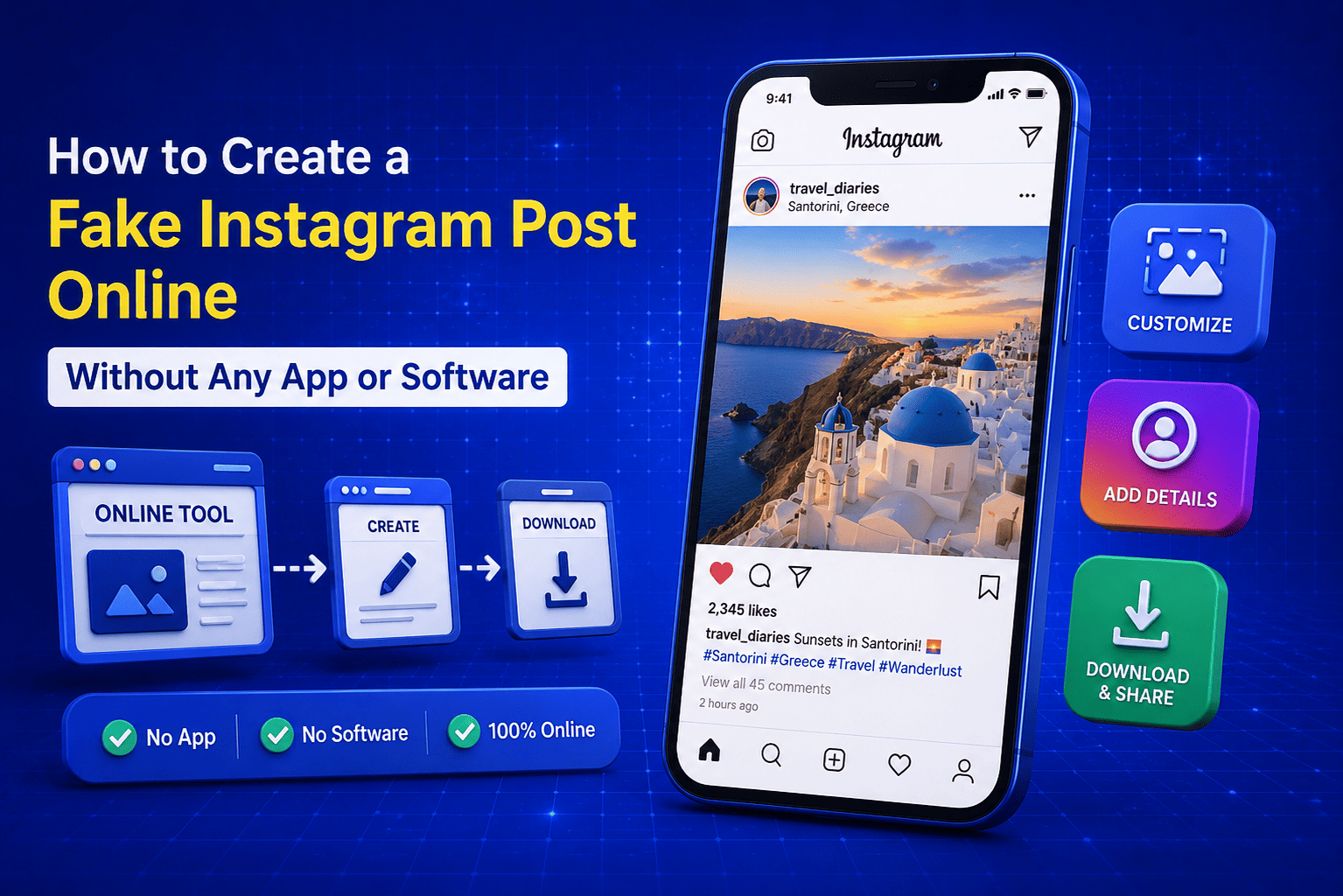
How to Create a Fake Instagram Post Online Without Any App or Software
If you have ever searched for a way to create a fake Instagram post online, you already know how hard it is to find a tool that actually works well. Most options are either too complicated, full of watermarks, or ask you to download software you never wanted in the first place. The good news is you do not need any of that. A free online fake Instagram post generator lets you create a realistic looking Instagram post right in your browser, in under two minutes, with no app, no login, and no design skills required. Whether you need it for a school project, a marketing mockup, or just for fun with friends, this guide will show you exactly how to do it step by step.
Read Article